
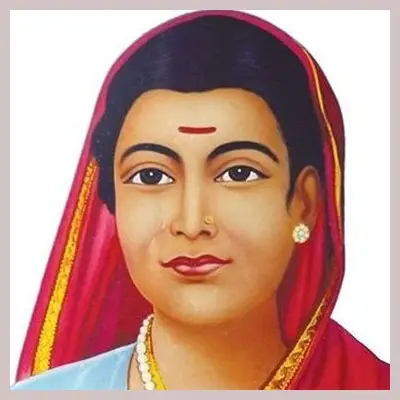
Savitribai Phule (1831–1897)
Savitribai Phule was India’s first female teacher and one of the greatest women reformers in Indian history. Born into a society that denied education to women, she broke social barriers and became a symbol of courage and transformation. Along with Jyotirao Phule, she established schools for girls and marginalized communities at a time when educating women was considered a crime. She faced abuse, threats, and social boycott but never stopped her mission. Savitribai worked for women’s rights, widow rehabilitation, and abolition of child marriage. She also worked for the dignity of widows, rape victims, and abandoned women by providing shelter and support. Her life represents resistance, courage, compassion, and empowerment. She is remembered as the mother of women’s education in India and a symbol of fearless social reform.
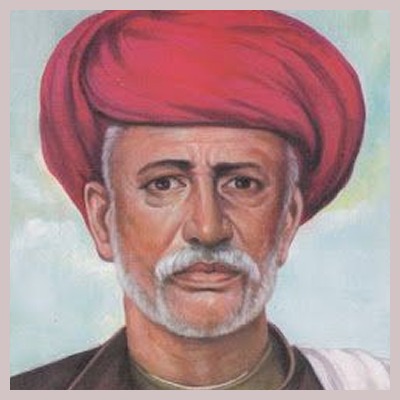
Jyotirao Phule (1827–1890)
Jyotirao Phule was a pioneer of social reform in India and one of the earliest fighters against caste oppression and gender inequality. Born into a lower-caste family, he experienced discrimination firsthand, which shaped his revolutionary thinking. He dedicated his life to educating the oppressed, especially women and Dalits. Along with his wife Savitribai Phule, he started India’s first school for girls, breaking centuries of social restrictions. He challenged Brahminical dominance and religious exploitation through rational thought and education. Jyotirao Phule founded the Satyashodhak Samaj, which worked for social equality and truth-based society. His writings exposed the injustice of caste systems and promoted human dignity. He is remembered as the father of social revolution in modern India.
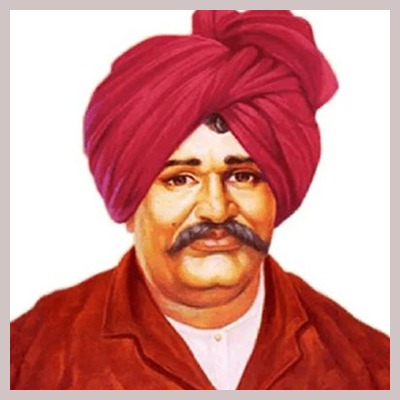
Sahoo Ji Maharaj (1874–1922)
Chhatrapati Shahu Maharaj of Kolhapur was a revolutionary ruler and social reformer who worked for the upliftment of backward and oppressed communities. He was one of the first leaders in India to implement reservations in education and government jobs for backward classes. Shahu Maharaj believed that education was the key to liberation and made schooling accessible to all castes. He strongly opposed untouchability and caste discrimination and supported inter-caste marriages. His governance was rooted in social justice, equality, and empowerment. He gave political, educational, and economic opportunities to marginalized communities and supported reformers like Dr. Ambedkar. His progressive policies became the foundation of India’s reservation system. Shahu Maharaj is remembered as a king who ruled with compassion, justice, and revolutionary social vision.
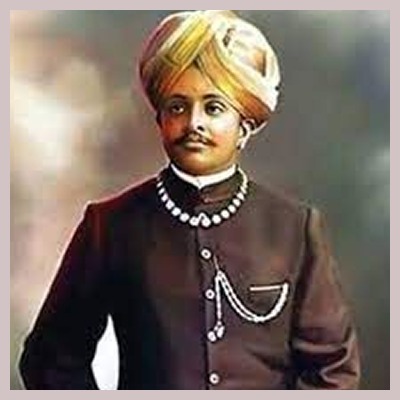
Krishna Raja Wadiyar IV (1884–1940)
Krishna Raja Wadiyar IV, the Maharaja of Mysore, was one of the most progressive and visionary rulers in Indian history. Known as a philosopher-king, he transformed Mysore into one of the most advanced princely states in India. His reign focused on education, science, industrial development, public administration, and social welfare. He established universities, research institutions, dams, factories, and public infrastructure that laid the foundation for modern Karnataka’s development. Under his leadership, Mysore became a model state known for good governance and innovation. He supported scientific research, promoted education for all communities, and encouraged industrial growth. His administration prioritized people’s welfare over royal luxury. Krishna Raja Wadiyar’s vision turned Mysore into a center of learning and development, making him one of the greatest rulers in Indian history.
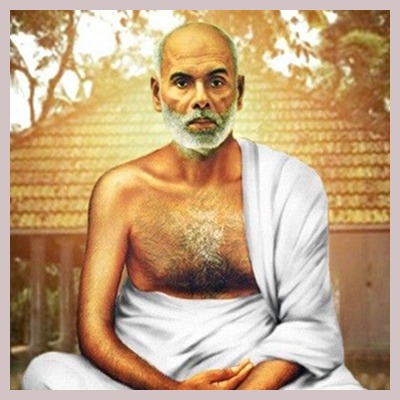
Narayan Guru (1856–1928)
Sree Narayana Guru was a spiritual reformer and philosopher from Kerala who transformed society through spiritual equality and social justice. Born into an oppressed community, he challenged the rigid caste system by teaching that all human beings are equal in the eyes of divinity. His famous message, “One Caste, One Religion, One God for humankind,” became a spiritual revolution in India. Narayana Guru established temples that were open to all castes, breaking religious monopoly and discrimination. He believed that spirituality should liberate people, not enslave them. His teachings combined spiritual wisdom with social reform, promoting education, cleanliness, self-respect, and unity. He inspired generations of reformers and movements that worked for equality and dignity. Narayana Guru’s life stands as a symbol of peaceful revolution through knowledge, compassion, and spiritual humanism.
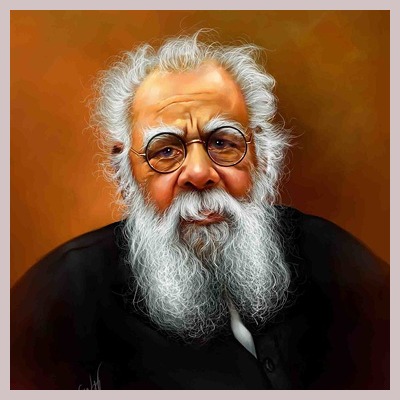
E. V. Ramasamy Periyar (1879–1973)
E. V. Ramasamy, popularly known as Periyar, was a revolutionary thinker, rationalist, and social reformer from Tamil Nadu. He dedicated his life to destroying caste hierarchy, superstition, blind faith, and social inequality. Periyar believed that true freedom meant freedom from mental slavery, religious exploitation, and caste oppression. He started the Self-Respect Movement, which encouraged people to reject caste identity and live with dignity and rational thinking. His ideology challenged Brahminical dominance and promoted equality between men and women. Periyar was also a strong supporter of women’s rights, widow remarriage, and inter-caste marriages. His writings and speeches transformed Tamil society intellectually and socially. He rejected blind religious traditions and promoted scientific thinking. Periyar’s legacy continues through social movements, political ideologies, and Dravidian politics, making him one of the most influential reformers in South India.
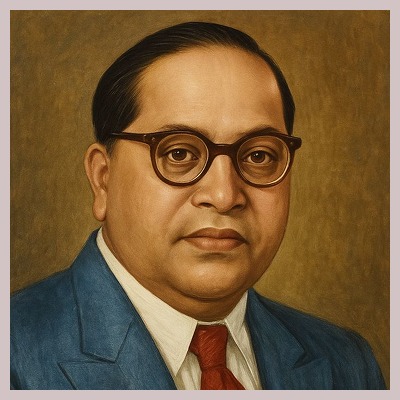
Dr. B. R. Ambedkar (1891–1956)
Dr. Bhimrao Ramji Ambedkar was one of the greatest intellectuals, reformers, and nation-builders in Indian history. Born into a Dalit family that faced severe discrimination, his life itself became a symbol of resistance against oppression. Despite poverty and social exclusion, he became one of the most educated Indians of his time, earning multiple doctorates from international universities. Ambedkar dedicated his life to fighting caste discrimination, untouchability, and social injustice. As the chief architect of the Indian Constitution, he ensured that equality, liberty, fraternity, and justice became the core principles of Indian democracy. He introduced constitutional safeguards for marginalized communities and built a legal framework for social equality. His work extended beyond law into education, labor rights, women’s rights, and religious freedom. Ambedkar’s conversion to Buddhism symbolized his rejection of caste oppression and his belief in human dignity. He is remembered as the voice of the oppressed and the father of social justice in India.
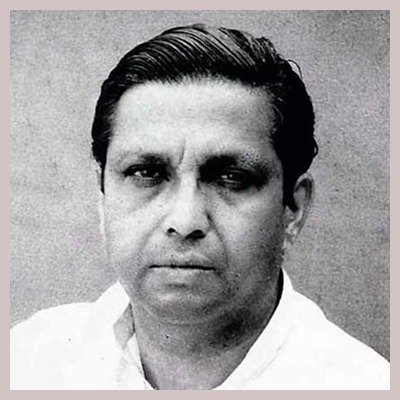
B. P. Mandal (1918–1982)
Bindheshwari Prasad Mandal was a visionary Indian politician and social reformer best known as the chairman of the Mandal Commission. Born in Bihar, he dedicated his life to addressing caste-based inequality and social discrimination in India. His greatest contribution came in 1979 when he led the commission that scientifically studied social and educational backwardness in Indian society. The Mandal Commission report identified the structural disadvantages faced by backward classes and recommended reservations in education and government jobs to ensure social equity. Though the report initially remained unimplemented, it later became the foundation for one of the biggest social justice reforms in India. Mandal believed that democracy could not survive if large sections of society remained excluded from power and opportunity. His work gave voice to millions of marginalized citizens and transformed India’s social justice framework. Today, he is remembered not just as a politician but as an architect of inclusive democracy.
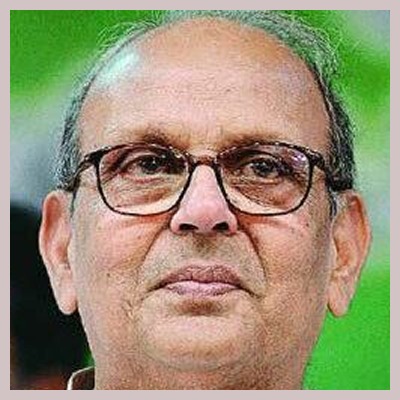
V. P. Singh (1931–2008)
Vishwanath Pratap Singh was the Prime Minister of India and one of the most significant political reformers in modern Indian history. Born into a royal family in Uttar Pradesh, he chose public service over royal privilege and entered politics with a strong moral compass. He became known for his integrity, simplicity, and fearless stand against corruption. His most historic contribution was the implementation of the Mandal Commission recommendations, which provided reservations for Other Backward Classes (OBCs) in government jobs and education. This single decision transformed Indian social politics forever and gave representation to millions who were historically excluded from power structures. Though controversial at the time, it reshaped democracy by making governance more inclusive. V. P. Singh’s leadership was rooted in ethical governance, social justice, and accountability. Even after losing political power, he remained respected as a leader who chose principles over popularity, and today he is remembered as a reformer who dared to challenge entrenched social hierarchies.
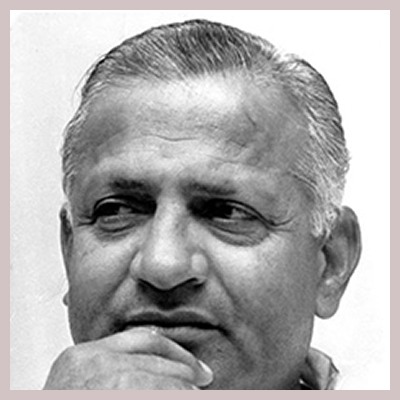
Devaraj Aras (1915–1982)
Devaraj Aras was a powerful social reformer and political leader from Karnataka who served as the Chief Minister of the state during a crucial period of social transformation. Born into an aristocratic family, he chose a path of social justice instead of privilege. His political life was dedicated to empowering backward classes, Dalits, and marginalized communities. He played a historic role in restructuring Karnataka’s social hierarchy by implementing land reforms and reservations that changed the socio-economic balance of the state. Devaraj Urs believed that political freedom had no meaning without social equality, and he worked to break the dominance of elite castes in administration and governance. His leadership focused on redistributing power, resources, and opportunities to the oppressed sections of society. He introduced progressive policies in education, land ownership, and employment, enabling thousands of poor families to gain dignity and stability. His vision laid the foundation for inclusive governance in Karnataka, and he is remembered as one of the strongest champions of social justice in South India.
